OCTO On-Premise –
Maximum Control for
Your Process Automation
Run the OCTO Platform entirely within your own IT infrastructure — securely, with full control, and seamlessly integrated into your systems and compliance requirements.
Explore On-Premise
For many organizations, maintaining full control over data,
systems, and processes is essential.
With the on-premise version of the OCTO Platform, you run your process automation directly within your own infrastructure — tailored to your security requirements, IT policies, and existing systems.
What does On-Premise mean with OCTO?
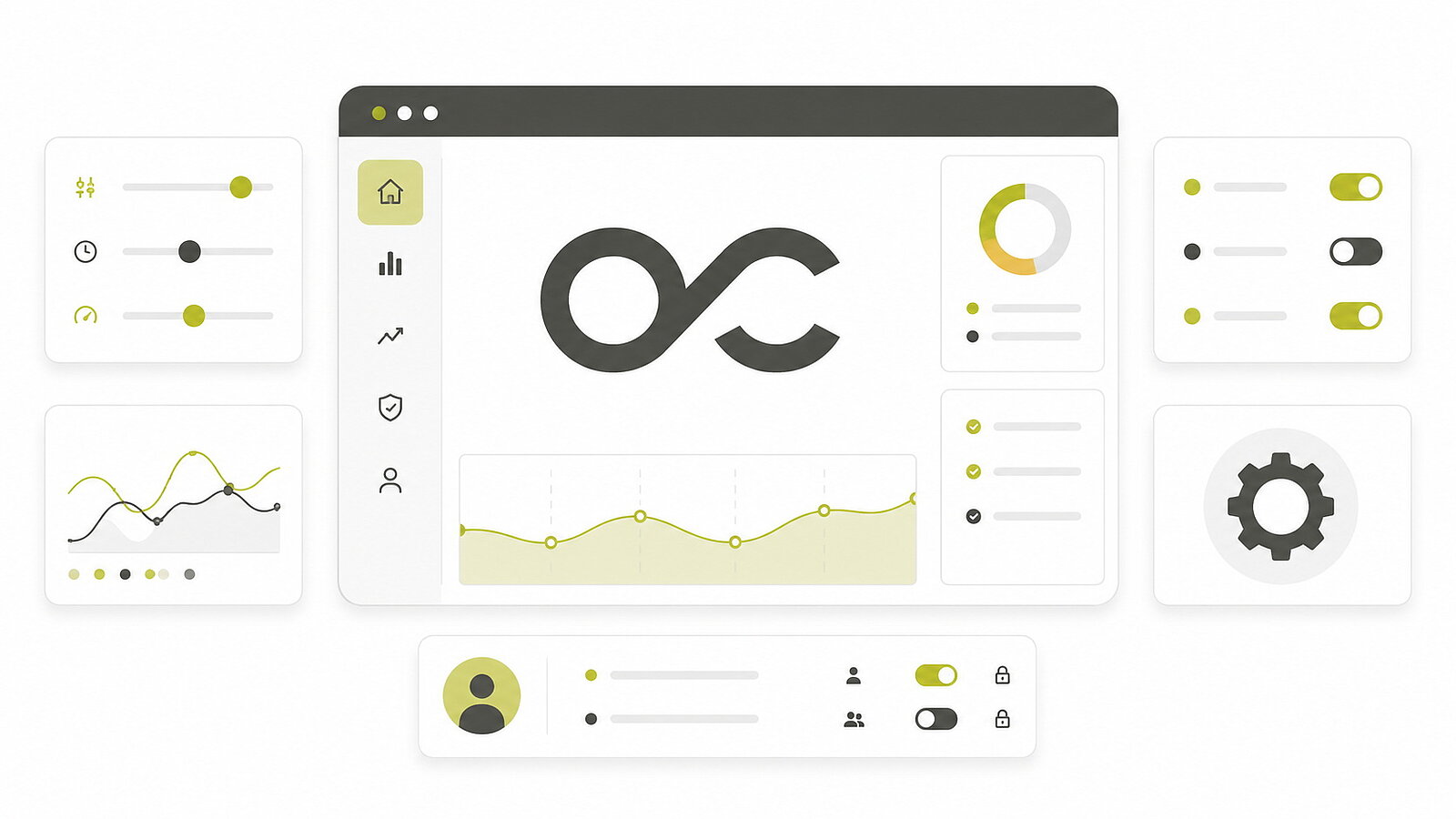
Full control over your platform
OCTO runs entirely in your own data center or existing IT environment.
- Installation within your local infrastructure
- Operation within your security and network architecture
- Integration with existing systems and databases
- Control over updates and release cycles
- You decide where your data is stored and how your processes are managed.
Security & Compliance
Ideal for regulated industries
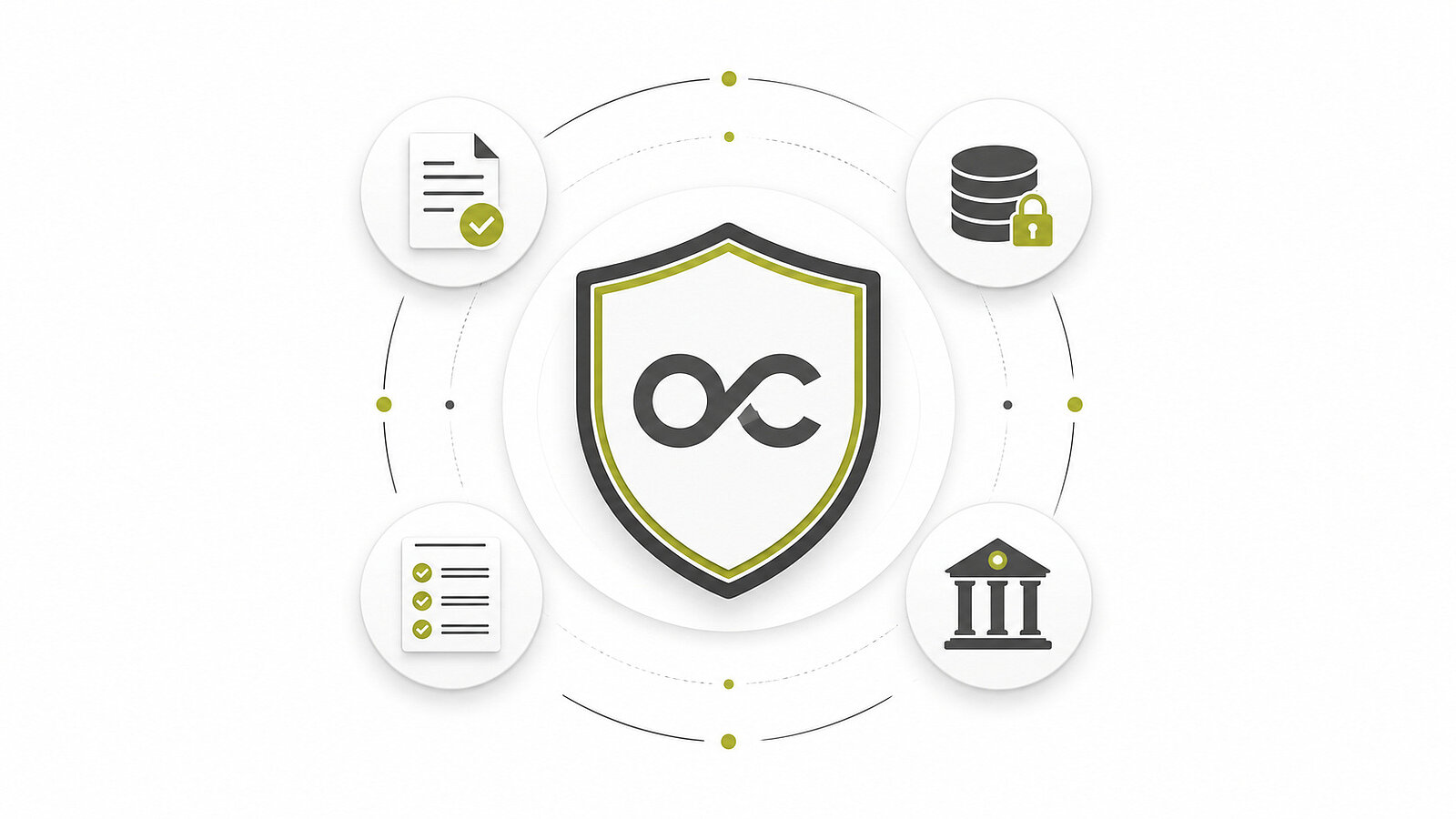
On-premise deployment provides maximum data sovereignty — especially important for organizations with strict regulatory requirements.
- Compliance with Swiss FADP and GDPR
- Support for FINMA requirements
- Data remains fully within your infrastructure
- Implementation of individual security policies
Your benefits
Full control over access and processing
Maximum transparency
Fulfillment of industry-specific compliance requirements

Integration into your system landscape
Seamlessly connected to your existing systems
OCTO integrates deeply into your existing IT environment — without adding unnecessary complexity.
- ERP, CRM, and DMS integration
- Use of existing master data
- Integration with identity and security systems
- Connection via APIs and interfaces
Result:
- End-to-end processes
- No media breaks
- Optimal use of existing systems
Operations & IT Control
Your IT team remains in control
With on-premise deployment, you define how operations are organized.
- Management of maintenance, updates, and deployments
- Integration with existing monitoring and operations systems
- Alignment with internal IT processes and governance
Typical operating models:
- Operation by your internal IT department
- Shared responsibility with TCG Process
- Operation in dedicated customer environments
Scalability & Performance
Powerful even under demanding conditions
The OCTO Platform is designed to scale efficiently, even in on-premise environments.
- Processing of large document volumes
- Parallel process execution
- Extension of existing infrastructure
Result:
- Stable performance
- Predictable resources
- High operational reliability
Alternative: Container-Based Operation
Modernization with Docker & Kubernetes
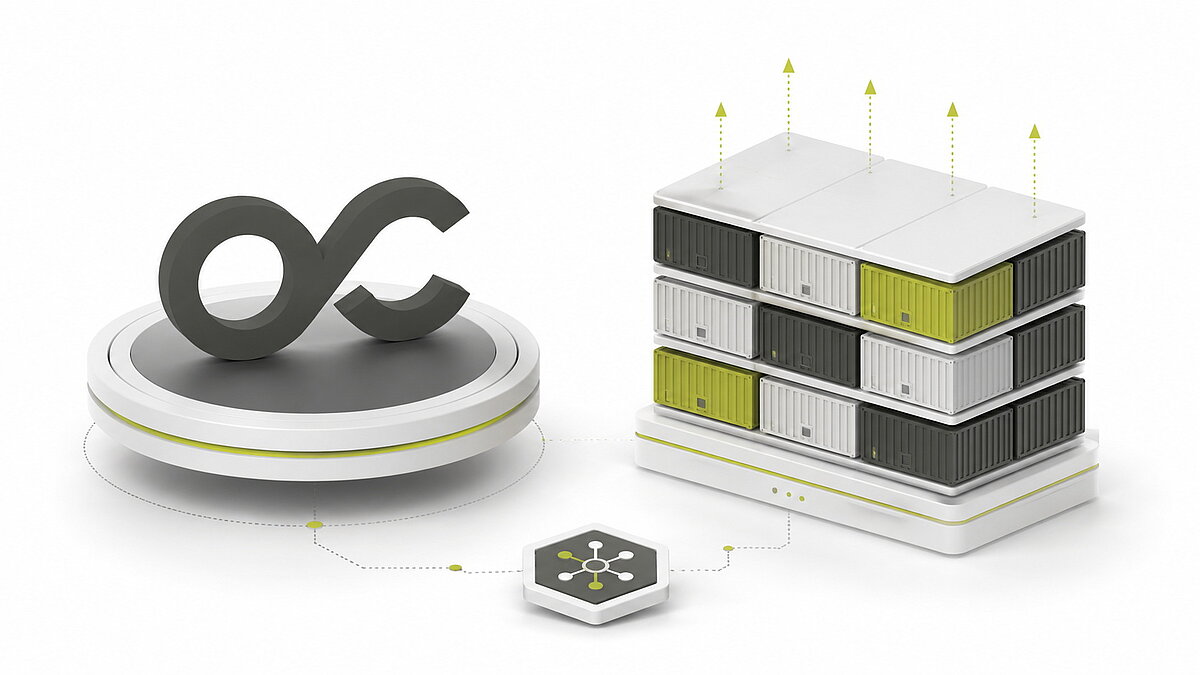
Even in an on-premise scenario, OCTO can be operated in containers:
- Use of Docker containers
- Orchestration with Kubernetes
- Simple scaling and deployment
- An ideal combination of control and flexibility
Typical Use Cases
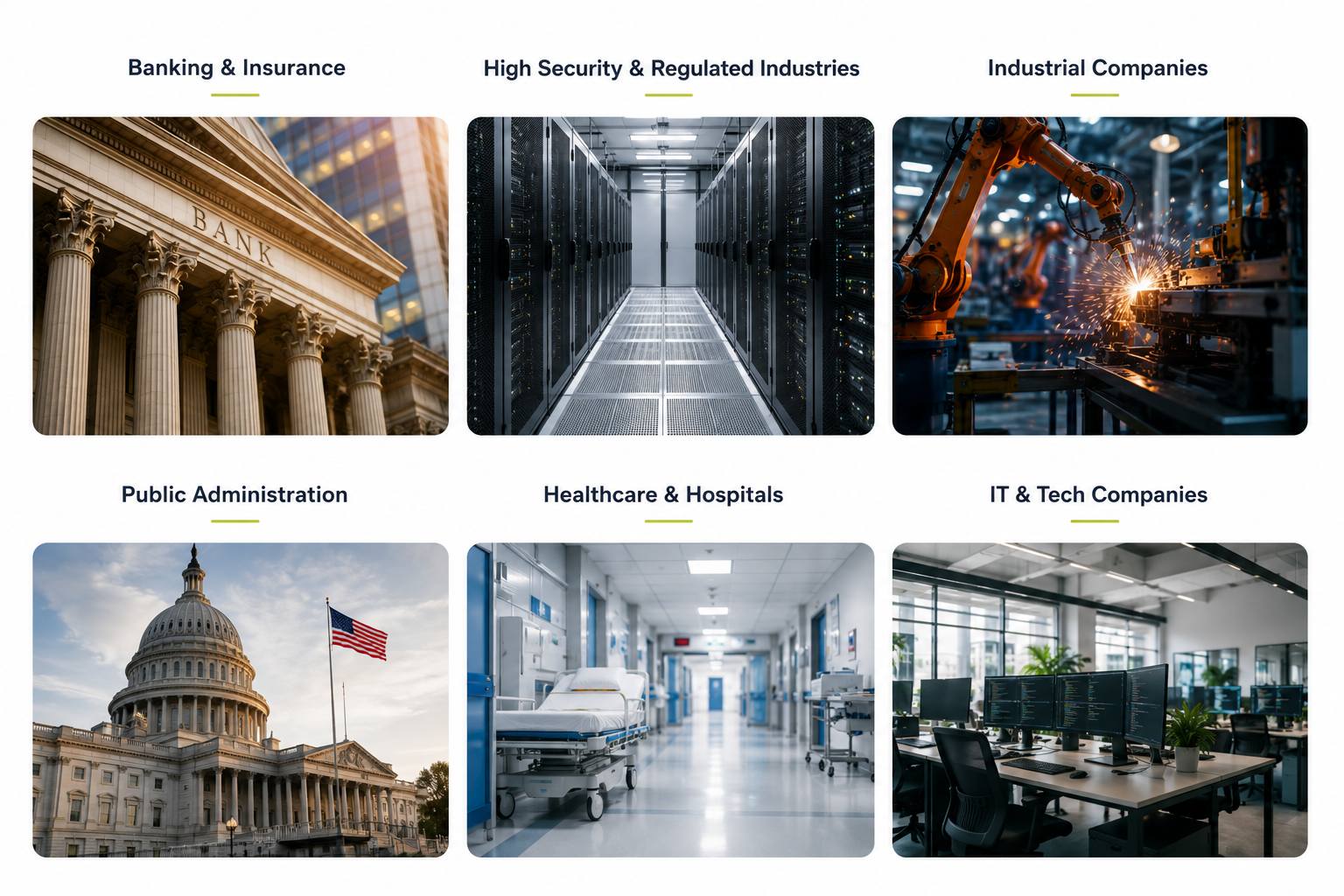
On-premise is especially suitable for organizations with:
- High data protection and compliance requirements
- Sensitive data, such as financial, healthcare, or public-sector data
- Existing complex IT landscapes
- Clearly defined internal security policies
What’s the Difference?
Models
Cloud: Fast, scalable, outsourced
On-Premise: Control, security, compliance
Docker: Flexibility, portability, scalability
On-premise is the best choice when control matters more than convenience.
On-premise deployment makes sense when your organization has strict data protection, security, or compliance requirements and needs to keep data and processes within its own infrastructure. It is especially relevant for regulated industries, organizations handling sensitive data, or companies with clearly defined internal IT governance.
With on-premise deployment, OCTO runs within your own IT infrastructure, giving you maximum control over data, security, operations, and release cycles. With a cloud model, the platform is hosted externally, which can offer faster deployment and easier scalability, but with less direct control over the underlying infrastructure.